
 Built For Strength, Built With Love, New Products Weekly
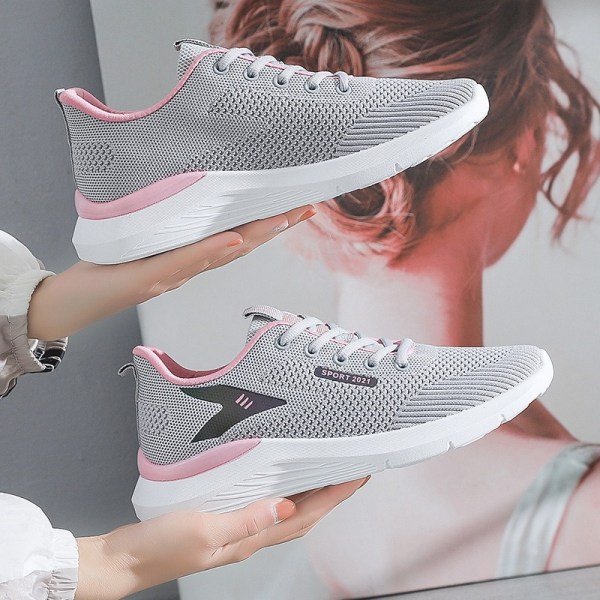 All Active Sneakers
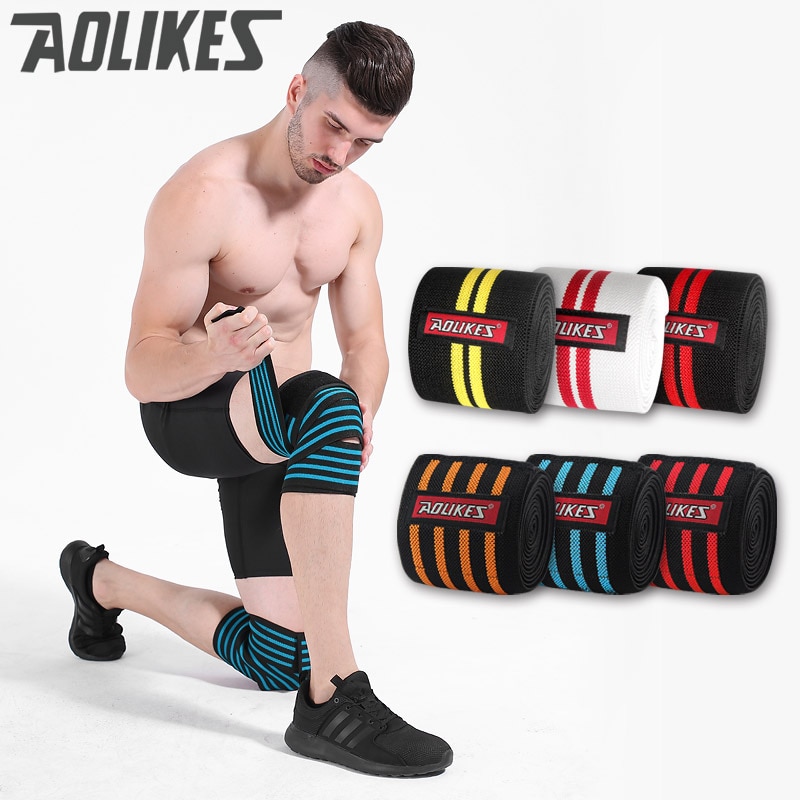 All Sports Accessories
 Men Active wears
 Socks
Socks Sports Bags
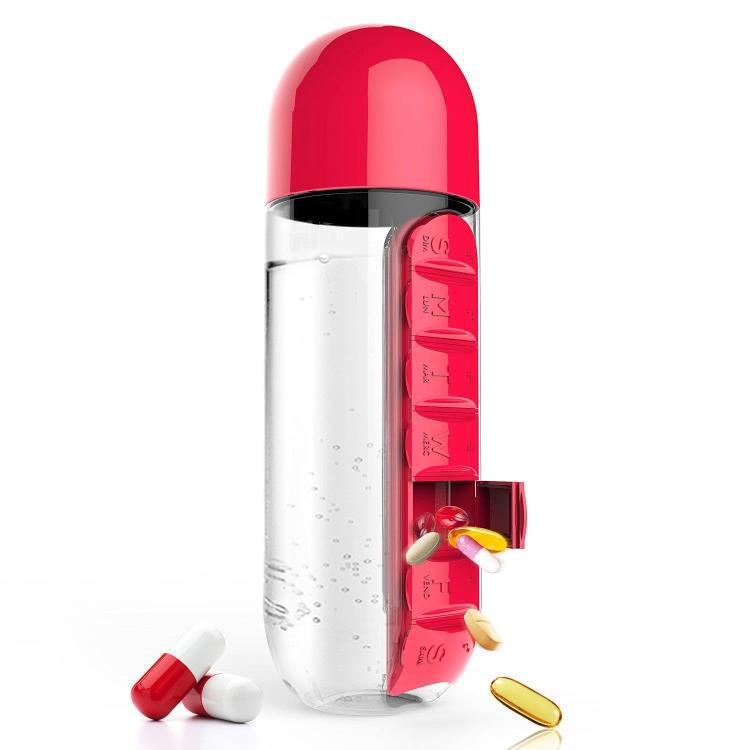 Sports water bottles
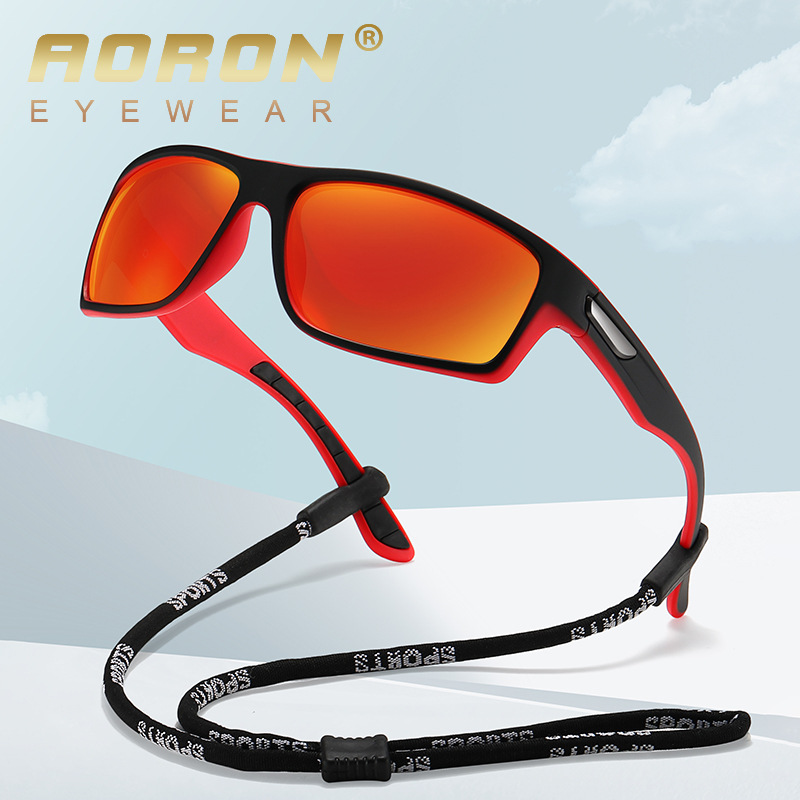 Sunglasses
 waist packs
 Watches
 Women Active Wears
The Secret of Non‑Slip Shoes – How They work to prevent slips
INTRODUCTION
Slips and falls are among the most common workplace accidents, especially in environments where water, oil, or grease frequently come into contact with the floor. Whether you work in healthcare, hospitality, food service, or manufacturing, wearing the right footwear can significantly reduce your risk of injury.
But have you ever wondered how non-slip shoes actually work? The answer lies in a combination of advanced materials and smart outsole engineering. Contrary to popular belief, non-slip shoes don’t rely on a “sticky” sole. Instead, they are designed to maximize friction and maintain consistent contact with the walking surface, even in challenging conditions.

THE SCIENCE OF GRIP : WHY SLIP OCCURS
In other to understand how slip -resistant shoes work , you need to first understand what causes slipping . When water, oil, or grease gets between your shoe and the floor, it acts as a barrier that reduces friction ( hence , the coefficient of friction drops dramatically) hence your foot can slide unexpectedly, increasing the risk of falls and injuries. The primary goal of a non-slip shoe is to prevent this barrier from forming by quickly removing liquids from beneath the sole and maintaining direct contact with the ground.
HOW NON-SLIP SHOES PREVENT SLIPS
Effective slip-resistant footwear combines three essential design elements that work together to improve traction and stability. These include High performance Rubber Outsoles, Specialized Tread patterns , Deep draining Grooves
1. High-Performance Rubber Outsoles
The outsole material plays a critical role in slip resistance. Most non-slip shoes are made with premium rubber compounds that are softer and more flexible than standard shoe soles. This softer rubber can adapt to the tiny imperfections and textures found on floor surfaces, creating a larger contact area and generating greater friction.
Benefits
- Improved grip on smooth surfaces
- Enhanced flexibility and comfort
- Better traction on wet and slippery floors
- Increased surface contact for greater stability
2. Specialized Tread Patterns
One of the most noticeable features of a non-slip shoe is its tread design.You’ll often find patterns made up of small circles, hexagons, or other geometric shapes. These designs aren’t just for appearance—they serve an important purpose.The tread creates a network of channels that actively push water, oil, and other liquids away from the sole. This process helps prevent hydroplaning, much like the tread on a car tire disperses water on wet roads.
Benefits
A well-designed tread pattern:
- Improves liquid displacement
- Maintains contact with the floor surface
- Enhances grip during movement
- Reduces the risk of slipping on contaminated surfaces
OUR RECOMMENDATIONS
Get 26% Discount on Skechers Men’s Nampa Food Service Shoe

Get 9% Discount on HISEA Non Slip Work Shoes for Men

Bernal Non Slip Lightweight Casual Breathable Tennis Shoes

3. Deep Drainage Grooves
The grooves between tread blocks act as the shoe’s drainage system.These channels provide space for liquids to flow away from the contact points under the shoe. The deeper the grooves, the more fluid the outsole can handle without losing traction. This feature becomes especially important in workplaces where spills are common.
Advantages of Deep Grooves
- Efficient liquid evacuation
- Better grip during heavy spills
- Consistent traction in demanding environments
- Improved safety on wet and greasy floors
While superior traction is essential, there is often a trade-off between grip and longevity.
Softer Rubber = Better Grip
Extremely soft rubber compounds typically provide exceptional traction because they conform more easily to floor surfaces.
Harder Rubber = Greater Durability
More durable rubber compounds may last longer but generally offer less grip on slippery surfaces.For this reason, manufacturers often tailor outsole materials to specific workplace requirements, balancing traction and wear resistance.
Different Work Environments Require Different Designs
Not all slip hazards are the same. A shoe designed for a hospital environment may not perform identically to one intended for a commercial kitchen or automotive workshop.
For Wet Environments
Healthcare facilities, cleaning services, and hospitality settings benefit from:
- Multi-directional tread patterns
- Fast-draining channels
- Water-resistant materials
For Oily and Greasy Surfaces
Restaurants, kitchens, and auto repair shops often require:
- Oil-resistant rubber compounds
- Aggressive tread patterns
- Enhanced grip technology for greasy floors
For Frequent Spills
Industrial workplaces may need footwear with:
- Deep drainage grooves
- High-capacity liquid displacement systems
- Reinforced slip-resistant outsoles
HOW TO CHOOSE THE RIGHT NON-SLIP SHOES
When evaluating slip-resistant footwear, focus on the features that match your work environment.
Choose Shoes With:
- ✔ Soft, high-quality rubber outsoles for maximum grip
- ✔ Deep grooves for efficient liquid drainage
- ✔ Specialized tread patterns designed for your specific hazards
- ✔ Certified slip-resistance ratings when available
By understanding how these features work together, you can make a more informed purchasing decision and improve workplace safety.
Key Features of Non-Slip Shoes at a Glance
| Feature | Function | Benefit |
|---|---|---|
| Soft Rubber Outsole | Conforms to floor surfaces | Increases friction and grip |
| Advanced Tread Pattern | Channels liquids away | Prevents hydroplaning |
| Deep Drainage Grooves | Removes large volumes of liquid | Maintains contact with the floor |
| Oil-Resistant Materials | Improves traction on greasy surfaces | Enhances workplace safety |
CONCLUSION
Non-slip shoes are engineered to do much more than simply provide traction. Through a combination of specialized rubber compounds, intelligent tread patterns, and deep drainage channels, they help maintain direct contact with the floor and significantly reduce the risk of slips and falls. Whether you work in healthcare, food service, manufacturing, or industrial settings, investing in the right slip-resistant footwear can improve safety, comfort, and performance throughout your workday.
Thanks for Reading and do well to share this post
Social Media
Communication
Bookmarking
Developer
Entertainment
Academic
Finance
Lifestyle
One thought on “The Secret of Non‑Slip Shoes – How They work to prevent slips”
Leave a Reply Cancel reply
Social Media
Communication
Bookmarking
Developer
Entertainment
Academic
Finance
Lifestyle

Good one