
 Built For Strength, Built With Love, New Products Weekly
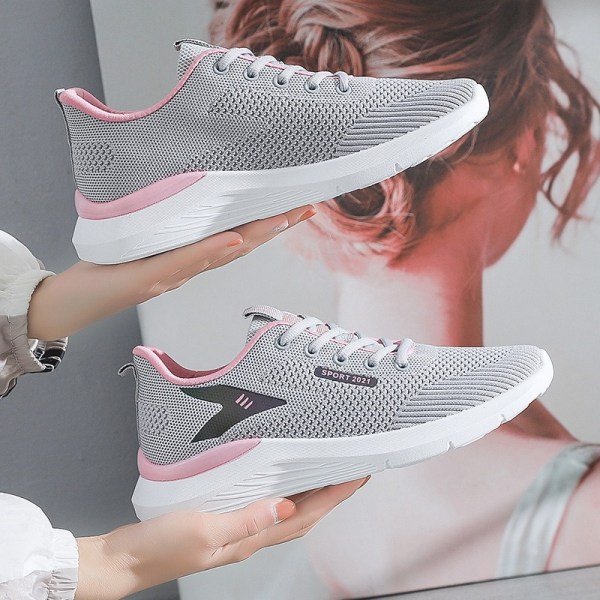 All Active Sneakers
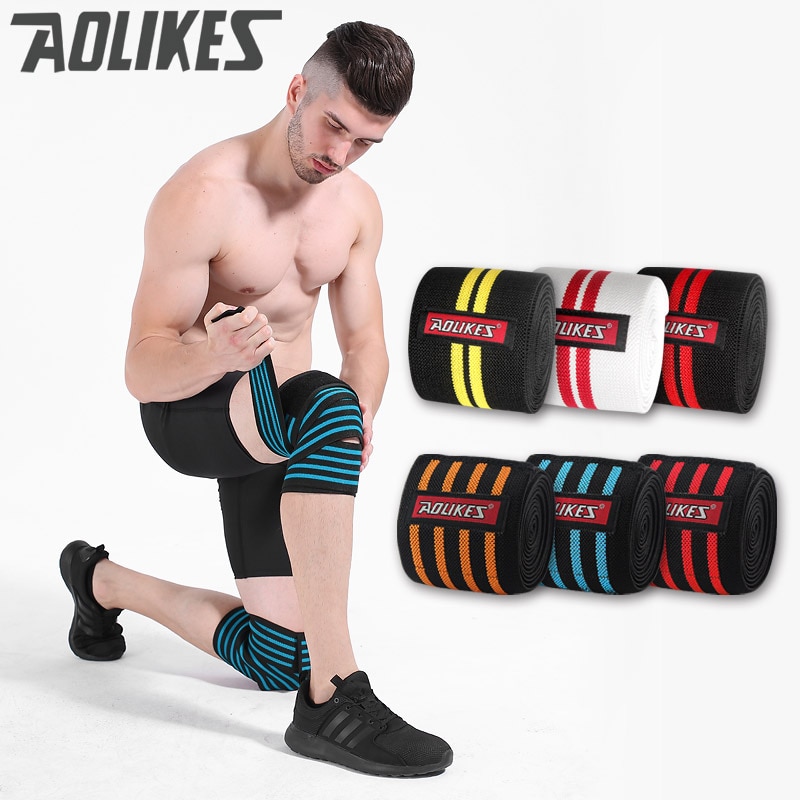 All Sports Accessories
 Men Active wears
 Socks
Socks Sports Bags
 Sports water bottles
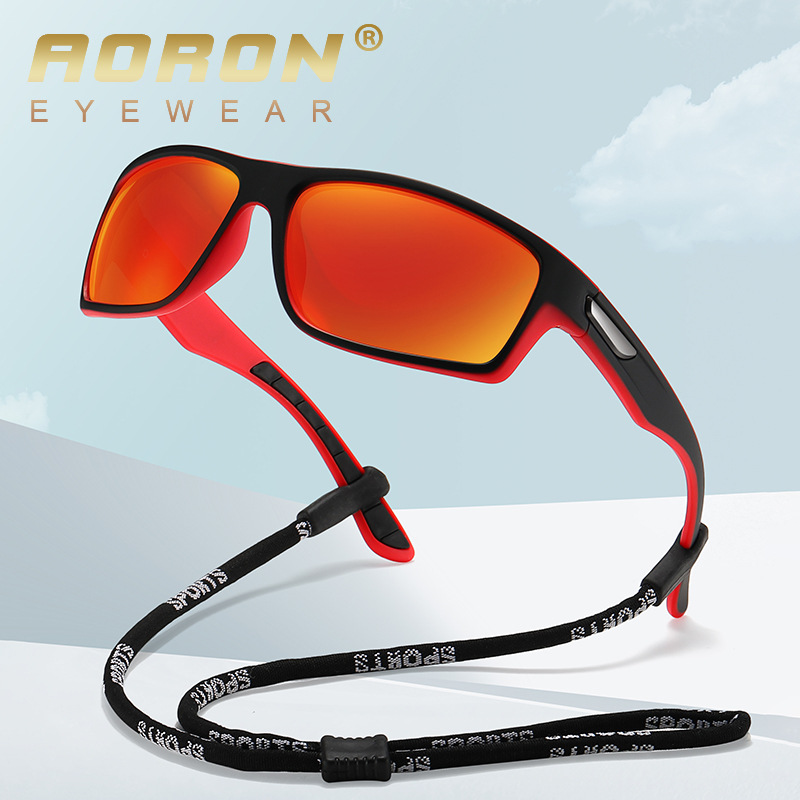 Sunglasses
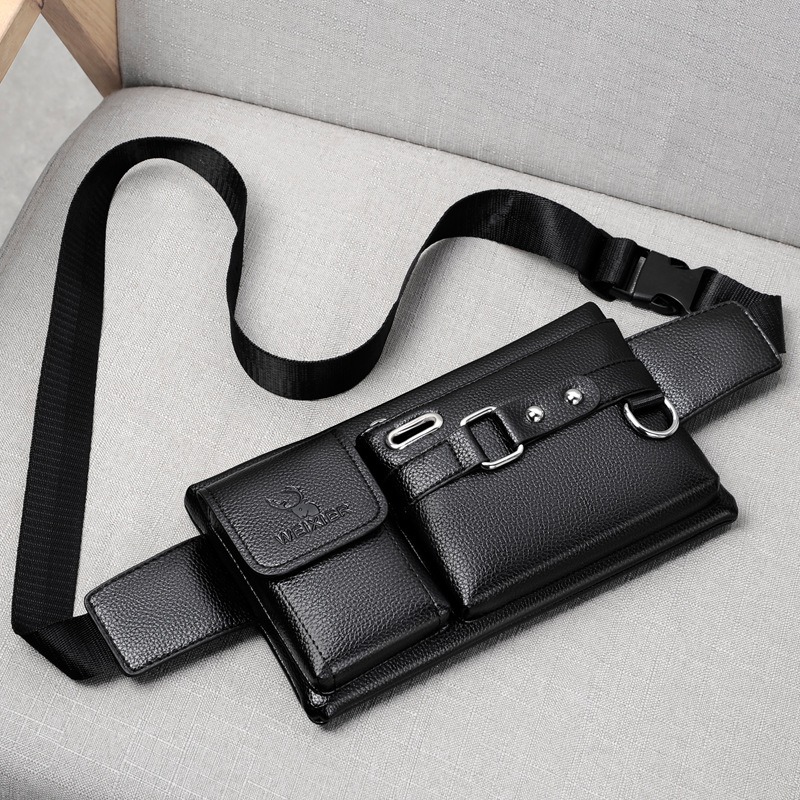 waist packs
 Watches
 Women Active Wears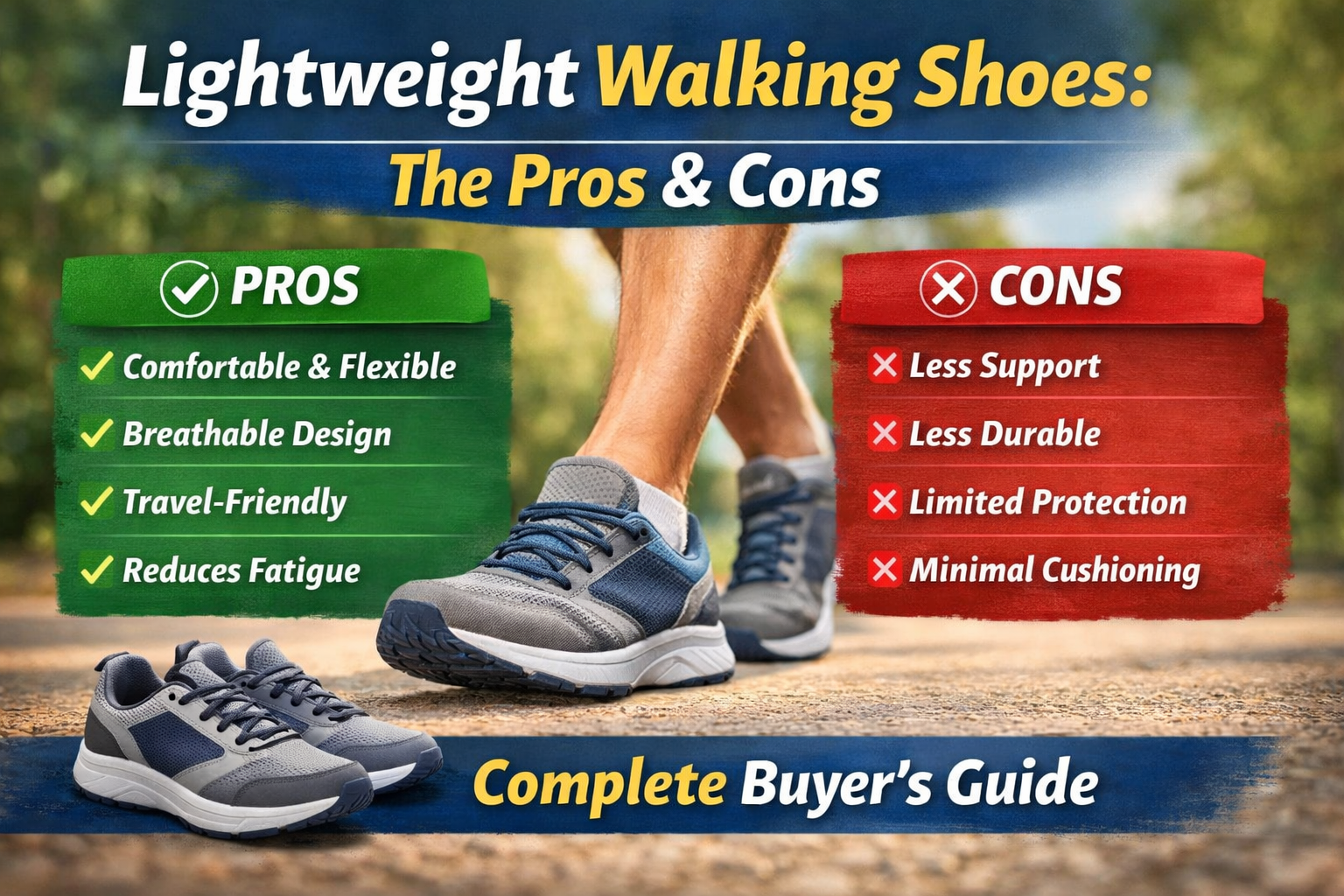
Lightweight walking shoes- The Pros & Cons ( A complete Buyer Guide )
INTRODUCTION
Lightweight walking shoes have become the right choice for people who need comfort, speed, and flexibility in their daily routine. Whether you’re walking for fitness, commuting, or traveling, these shoes promise to keep your feet feeling light and energized. But are they always the best option?
In this guide, we’ll break down the pros and cons of lightweight walking shoes, helping you decide if they’re the right fit for your lifestyle.
WHAT ARE LIGHTWEIGHT WALKING SHOES?
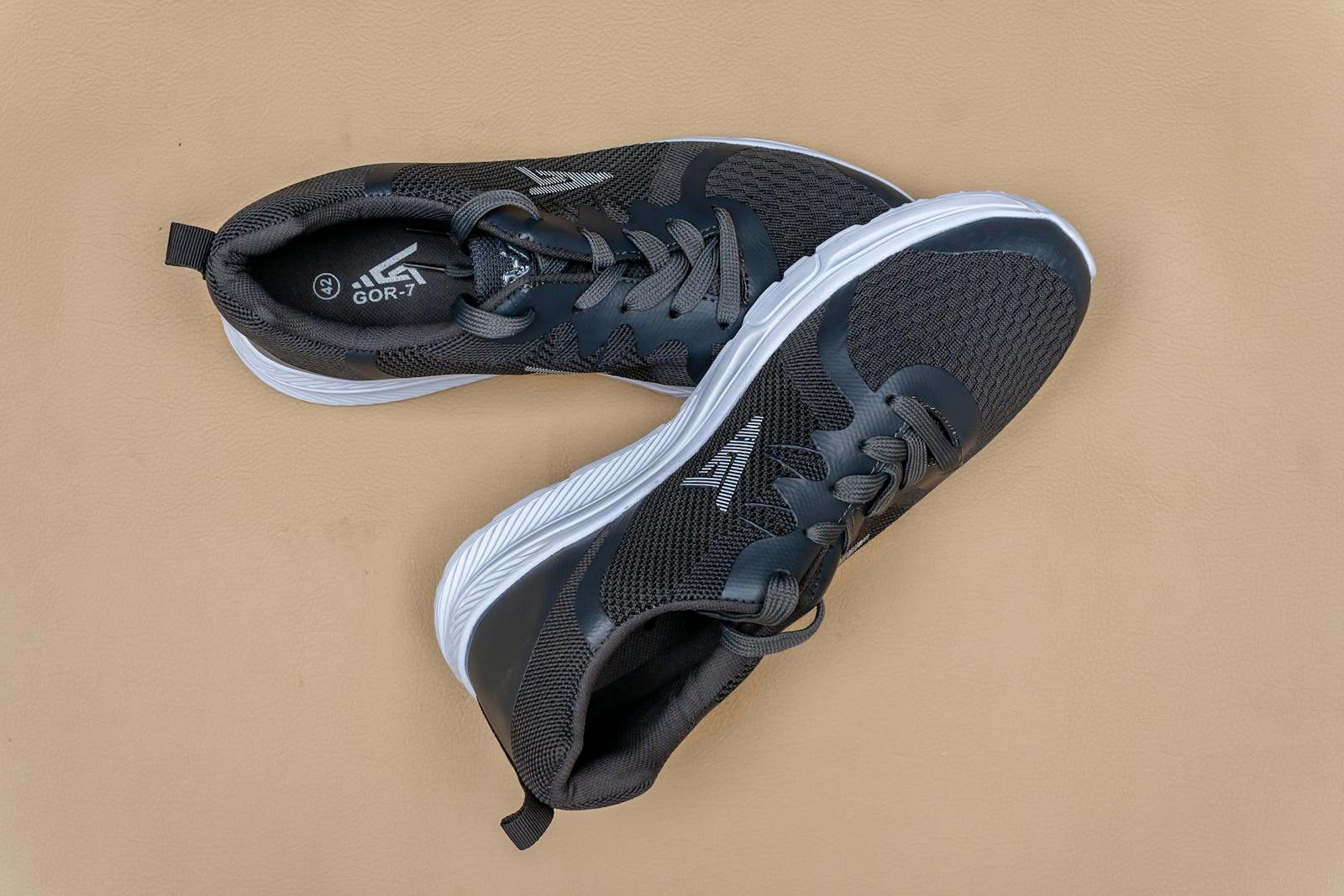
Lightweight walking shoes are designed with minimal materials to reduce overall weight while still offering comfort and basic support. They often feature breathable mesh uppers, flexible soles, and cushioned midsoles—making them ideal for long walks without feeling bulky.
PROS OF LIGHTWEIGHT WALKING SHOES
Choosing a lightweight shoe offers several noticeable benefits that appeal to a wide range of users, from casual walkers to frequent travelers. Below are the benefits or Pros
1. Enhanced Comfort for Long Walks
Lightweight shoes often use softer, more pliable materials that conform to your foot’s natural movement. This also means less strain on your feet especially during long walking sessions.
The flexibility of lightweight shoes reduces the risk of blisters and irritation, providing a “barefoot-like” feel that many find exceptionally comfortable for everyday wear.
2. Improved Mobility and Flexibility
Lightweight shoes allow your feet to move more naturally. This flexibility is great for maintaining a smooth walking stride and improving overall performance.
3. Improved Breathability
Lightweight walking shoes have less materials and often more mesh in their construction , hence they offer superior airflow . This helps keep your feet cooler and drier, which is critical for preventing the moisture buildup that can lead to discomfort and foot health issues.
4.Practicality for Daily Use and Travel
The sleek, less-obtrusive design of many lightweight shoes makes them versatile for various casual settings. Their ease of slipping them on and off also make them a superior choice for travel.
5. Reduced Fatigue
Every ounce on your feet needs more energy to lift over thousands of steps., lighter shoe directly translates to less work for your legs, reducing overall fatigue during a walk and allowing you to go farther with greater ease. Unlike heavier shoes that can weigh you down over time, Lightweight options minimize fatigue, making them ideal for people who are always on their feet.
CONS OF LIGHTWEIGHT WALKING SHOES
Lightweight walking shoes also have some llimitations , Understanding these limitations is crucial to avoid injury , Let’s break them down
1. Less Support and Stability
Due to their minimal design, these shoes may lack the arch support and structure needed for people with foot issues or overpronation.
2. Durability Concerns
Lightweight walking shoes are made of light -thinner soles , less dense foams and lighter upper fabric – which are inherently less durable
They can wear out faster compared to more robust walking or running shoes especially with frequent and long -term use .
3. Limited Protection
If you walk on rough terrain, lightweight shoes may not provide enough cushioning or protection against sharp objects or uneven surfaces.
4. Not Ideal for Heavy Workouts
While great for casual walking, they may not perform well during intense workouts or long-distance hiking..
WHO SHOULD BUY LIGHTWEIGHT WALKING SHOES ?
Lightweight walking shoes are ideal for:
- Casual walkers and daily commuters
- Travelers looking for packable footwear
- People who prefer a natural, flexible feel
However, they may not be suitable for individuals who need extra arch support or those walking on rugged terrain.
TIPS FOR CHOOSING THE RIGHT PAIR
- Check arch support: Make sure it suits your foot type
- Look for cushioning: Especially if you walk on hard surfaces
- Consider durability: Reinforced soles and stitching last longer
- Test the fit: Always prioritize comfort over style
CONCLUSION
Lightweight walking shoes offer a perfect balance of comfort, flexibility, and convenience—but they’re not without drawbacks. If you value ease of movement and breathability, they can be a great addition to your footwear collection. Just be mindful of their limitations, especially when it comes to support and durability.
Social Media
Communication
Bookmarking
Developer
Entertainment
Academic
Finance
Lifestyle
Social Media
Communication
Bookmarking
Developer
Entertainment
Academic
Finance
Lifestyle
